
Creating a quiet and peaceful home environment can greatly improve comfort and well-being. Whether you live in a busy urban area or just want to minimize everyday sounds, reducing noise at home is achievable with some simple strategies. In this post, we’ll explore practical ways to lower noise levels and help you enjoy a calmer, more relaxing space.
Why Reducing Noise at Home Matters
Noise isn’t just an annoyance; it can also disrupt sleep, reduce concentration, and increase stress. By taking steps to manage sound within your living space, you can create a better atmosphere for rest, work, and family time. Noise reduction doesn’t always mean costly renovations—many effective solutions are easy and budget-friendly.
Identify Noise Sources
Before making changes, it’s helpful to identify where noise is coming from. Common sources include:
– Traffic and street noise
– Neighbors or shared walls in apartments
– Household appliances and electronics
– Footsteps and movement within rooms
– Outdoor activities in your yard or nearby spaces
Once you know the sources, you can choose the best methods to reduce or block the noise.
Simple Noise-Reducing Tips for Your Home
1. Use Soft Furnishings to Absorb Sound
Hard surfaces reflect sound and make spaces noisier. Adding soft materials helps absorb sound waves and dampen noise.
– Place area rugs or carpets on floors, especially on hardwood or tile
– Add thick curtains or drapes on windows
– Use upholstered furniture like sofas and cushions
– Hang fabric wall art or tapestries
These materials help reduce echoes and soften ambient noise.
2. Seal Gaps and Cracks
Noise often sneaks into rooms through gaps around windows, doors, and baseboards.
– Use weatherstripping around door frames and window edges
– Install door sweeps at the bottom of doors to block drafts and sound
– Fill cracks in walls or floors with caulk or sealant
Sealing these openings can significantly cut down external noise.
3. Rearrange Furniture Strategically
Furniture placement can act as a barrier that blocks or deflects sound.
– Move bookshelves or cabinets against walls that face noisy streets or neighbors
– Place seating areas away from noise sources if possible
– Use room dividers or screens to break up sound pathways in open spaces
This low-cost method can help reduce noise levels without structural changes.
4. Add Soundproofing Materials
For more targeted sound control, consider adding soundproofing products.
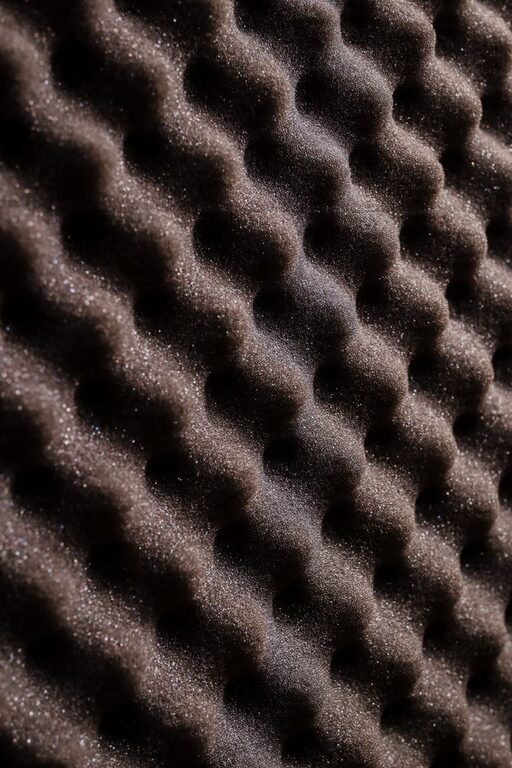
– Acoustic panels or foam tiles on walls absorb sound and reduce echo
– Heavy rugs with soundproof padding underneath cut impact noise
– Mass-loaded vinyl barriers can be installed behind drywall or flooring for thicker sound insulation
Even simple DIY installation of acoustic panels can make a noticeable difference.
5. Use White Noise or Sound Machines
If complete silence isn’t possible, masking unwanted noise can help.
– White noise machines produce soothing, consistent sounds that drown out background noise
– Fans or humidifiers with white noise functions can also assist
– Smartphone apps offer similar noise masking sounds
These tools can be especially useful at bedtime or while working.
6. Maintain Appliances and Fix Noisy Issues
Household items themselves can be sources of noise.
– Regularly maintain heating, ventilation, and air conditioning (HVAC) systems
– Lubricate or replace noisy fans and motors
– Fix loose fixtures or squeaky doors and floors
Less noise from inside your home means a quieter overall space.
7. Incorporate Plants for Sound Absorption
Indoor plants aren’t just pretty; they can help absorb sound.
– Large leafy plants can reduce noise reflections in rooms
– Group multiple plants together to create natural sound barriers
– Consider placing plants near windows to soften outside noise
Besides noise control, plants improve air quality and add calming greenery.
Additional Considerations
If noise problems are severe, such as loud traffic or noisy neighbors, professional soundproofing might be necessary. This can include double glazing windows, adding insulation to walls, or installing solid core doors.
However, starting with simple steps and inexpensive materials can often improve your home’s noise levels significantly.
Conclusion
Reducing noise at home is about creating a space where you feel more relaxed and focused. By adding soft furnishings, sealing gaps, rearranging furniture, and using sound-absorbing materials, you can enjoy a much quieter environment. Even small changes can have a big impact, helping you find calm in your home.
Try these simple tips today and enjoy the peaceful comfort of a quieter living space!
About the Author