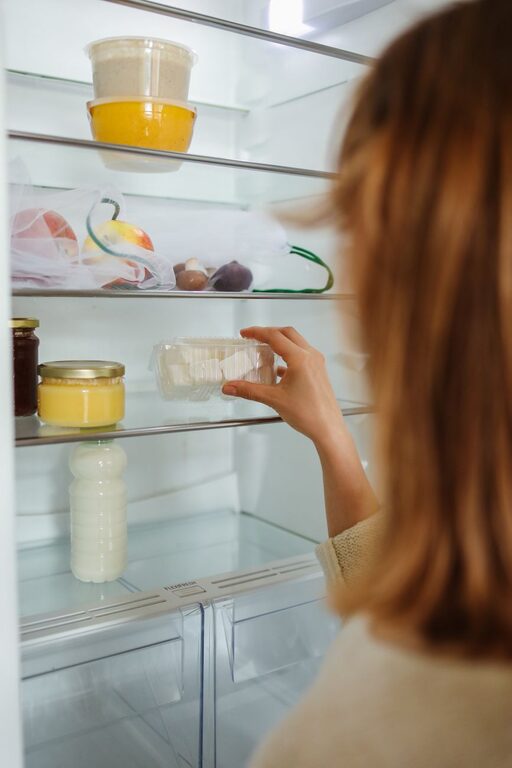
Keeping your fridge and pantry tidy is a great way to make meal prep easier, save money, and reduce food waste. When your food storage areas are clean and organized, you can quickly find ingredients, spot expired items, and keep your kitchen smelling fresh. Whether you’re starting fresh or just want to improve your current setup, these practical tips will help you maintain a neat and efficient fridge and pantry.
Why It’s Important to Keep Your Fridge and Pantry Organized
An organized fridge and pantry can:
– Prevent food spoilage by making expiration dates visible
– Save time when cooking by making ingredients easy to find
– Reduce stress and frustration during meal prep
– Help you keep track of what foods to buy, avoiding duplicates
– Maintain a cleaner, more hygienic kitchen environment
Getting Started: Clear Everything Out
Before you begin organizing, empty your fridge and pantry completely. This allows you to:
– Clean all shelves and drawers thoroughly
– Check all items for freshness or expiration
– Evaluate what you actually use and what can be donated or discarded
Cleaning Tips for Your Fridge and Pantry
– Use a mild detergent or a mixture of baking soda and water to wipe down shelves.
– Remove spills and stains as soon as possible to avoid sticky buildup.
– Clean pantry shelves using a vacuum or a dry cloth to remove crumbs and dust.
– Consider lining shelves with easy-to-clean liners to simplify future cleaning.
Organizing Your Fridge
Sort Items by Category
Group similar items together to make them easier to find:
– Dairy products (milk, cheese, yogurt)
– Meats and seafood (store in the coldest section)
– Fruits and vegetables (use crispers or drawers)
– Condiments and sauces
– Leftovers and ready-to-eat foods
Use Clear Containers and Bins
Invest in clear storage bins or containers to:
– Keep smaller items together and prevent spills
– Reduce clutter by containing loose packages and jars
– Make it easier to see what you have at a glance
Label Shelves and Bins
Labels help everyone in the household know where to put items back after use and maintain order.
Apply the FIFO Method
FIFO stands for “first in, first out.” Place newly bought items behind older ones so older food is used first, minimizing waste.
Keep Temperature Zones in Mind
– The coldest part of the fridge is usually near the back and bottom shelves — perfect for raw meat.
– Store eggs in the main body of the fridge rather than the door, where temperatures fluctuate.
– Use the door shelves for condiments and drinks.
Organizing Your Pantry
Group by Food Type
Sort pantry goods into clear categories:
– Grains and pasta
– Canned goods
– Baking supplies
– Snacks
– Spices and seasonings
Use Transparent Containers
Transfer items like flour, sugar, rice, and cereals into airtight containers to:
– Keep food fresh longer
– Avoid pests and moisture damage
– Make it easier to see when you’re running low
Use Shelf Risers and Baskets
Maximize space with vertical storage solutions or use baskets to keep small packets and snacks contained.
Label Everything
Label containers and shelves to simplify meal planning and grocery shopping.
Keep Frequently Used Items Accessible
Place everyday essentials at eye level or in the front for easy grabbing.
Maintaining Your Organized Fridge and Pantry
Regularly Check Expiration Dates
Make it a habit to review and discard expired or spoiled items every few weeks.
Clean Spills and Messes Immediately
Cleaning right away prevents stains and odors from developing.
Reassess Your System Periodically
Adjust your organization based on how you use your kitchen. If certain items aren’t used often, consider relocating or donating them.
Plan Your Grocery Shopping
Make lists based on what you already have to avoid buying duplicates and overcrowding your storage.
Bonus: Tips for Keeping Your Fridge Smelling Fresh
– Place an open box of baking soda or activated charcoal inside the fridge to absorb odors.
– Regularly clean the drip pan and door seals.
– Store strong-smelling foods in airtight containers.
Conclusion
Keeping your fridge and pantry tidy doesn’t have to be a daunting task. With a clear plan, simple organizational tools, and regular upkeep, you can create a system that makes cooking and shopping more enjoyable. Start with a deep clean, arrange your foods thoughtfully, and maintain your setup with consistent habits. You’ll find your kitchen runs smoother, food lasts longer, and mealtime is less stressful. Happy organizing!
About the Author