Bringing houseplants into your home adds a touch of nature, improves air quality, and enhances your living space. However, keeping these plants healthy requires some care and attention. Whether you’re a seasoned plant enthusiast or a beginner, understanding the basics of plant care can help your indoor garden flourish. Here are some essential tips for maintaining healthy houseplants.
Understanding Your Houseplants’ Needs
Every plant species has unique requirements, but all plants need light, water, nutrients, and proper temperature to grow well.
Light: Finding the Right Balance
Light is crucial for photosynthesis, the process by which plants make food. Different plants have varying light preferences:
– Bright light: Succulents, cacti, and many flowering plants thrive in bright, direct sunlight.
– Indirect light: Ferns, snake plants, and peace lilies prefer bright but indirect light.
– Low light: Some plants like pothos and ZZ plants tolerate low-light conditions but may grow more slowly.
Tip: Observe your plants regularly. If leaves are turning yellow or the plant looks leggy, it might not be getting enough light. On the other hand, scorched or brown leaf edges can indicate too much direct sun.
Watering Wisely
Watering is often the trickiest part of houseplant care. Both overwatering and underwatering can harm your plants.
How to Water Correctly
– Check the soil moisture before watering. Most plants prefer the top inch or two of soil to dry out between watering.
– Use your finger or a moisture meter to test the soil.
– Water thoroughly until water drains from the bottom of the pot, but don’t let the plant sit in standing water.
– Adjust your watering frequency based on the season: plants usually need more water in warmer months and less in winter.
Avoid Common Watering Mistakes
– Don’t water on a fixed schedule without checking soil moisture.
– Avoid using cold tap water; room temperature water is better for the plant.
– Ensure proper drainage to prevent root rot.
Choosing the Right Soil and Pot
Using the correct soil and pot can make a big difference in your plant’s health.
Soil Matters
– Use potting soil designed for indoor plants. Avoid garden soil, which can be too dense.
– For specific plants like succulents or orchids, use specialized soil mixes that provide the right drainage and nutrients.
Pot Selection Tips
– Choose pots with drainage holes to prevent water from accumulating at the bottom.
– If you like decorative pots without holes, use them as outer containers and keep the plant in a smaller pot inside.
Fertilizing Your Plants
Plants need nutrients to grow, and indoor plants often benefit from supplemental feeding.
– Use a balanced, water-soluble fertilizer formulated for houseplants.
– Fertilize during the active growing season (spring and summer), typically every 4-6 weeks.
– Avoid over-fertilizing, which can damage roots and cause leaf burn.
Managing Humidity and Temperature
Indoor environments can sometimes be dry or too warm, which can stress plants.
Humidity Tips
– Most tropical houseplants prefer humidity levels of 40-60%.
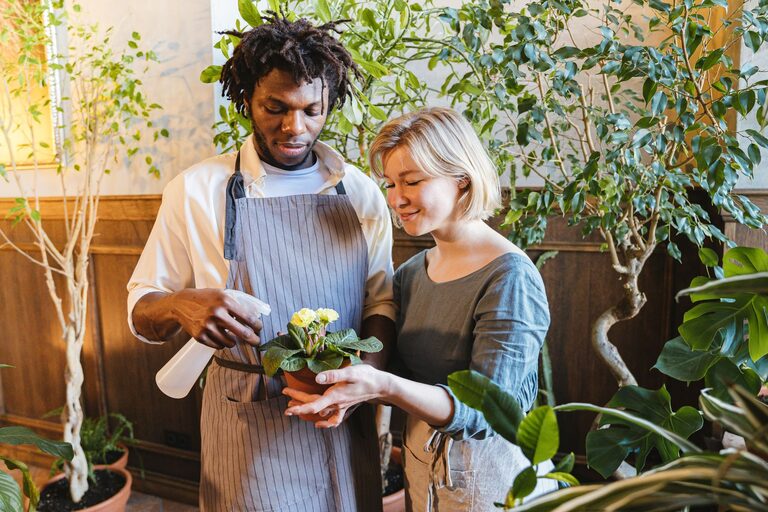
– Increase humidity by misting leaves, grouping plants together, or using a humidifier.
– Avoid placing plants near heating vents or air conditioners, which can dry out the air quickly.
Temperature Considerations
– Most houseplants flourish in temperatures between 65°F and 75°F.
– Avoid sudden temperature changes and drafts, especially in winter.
Pruning and Cleaning
Cleaning and pruning help keep plants healthy and looking their best.
– Remove dead or yellowing leaves regularly.
– Prune leggy growth to encourage bushier plants.
– Wipe leaves with a damp cloth to remove dust, allowing better light absorption.
Watch for Pests and Diseases
Indoor plants can sometimes attract pests like spider mites, aphids, or mealybugs.
– Inspect plants regularly, especially new additions.
– Use natural remedies like insecticidal soap or neem oil if pests are detected.
– Keep plants isolated if you notice any diseases or infestations to prevent spread.
Repotting for Growth
Plants can outgrow their pots and need more space for roots.
– Signs your plant needs repotting include roots growing out of drainage holes or slowed growth.
– Repot during the growing season using fresh soil and a pot one size larger.
Final Thoughts
Caring for houseplants is a rewarding hobby that brings life and freshness to your home. By understanding their needs and providing proper care, you can enjoy lush, healthy plants that brighten your space year-round. Remember, each plant is unique, so take time to learn about your specific species and adjust your care routine accordingly. Happy gardening!
About the Author